
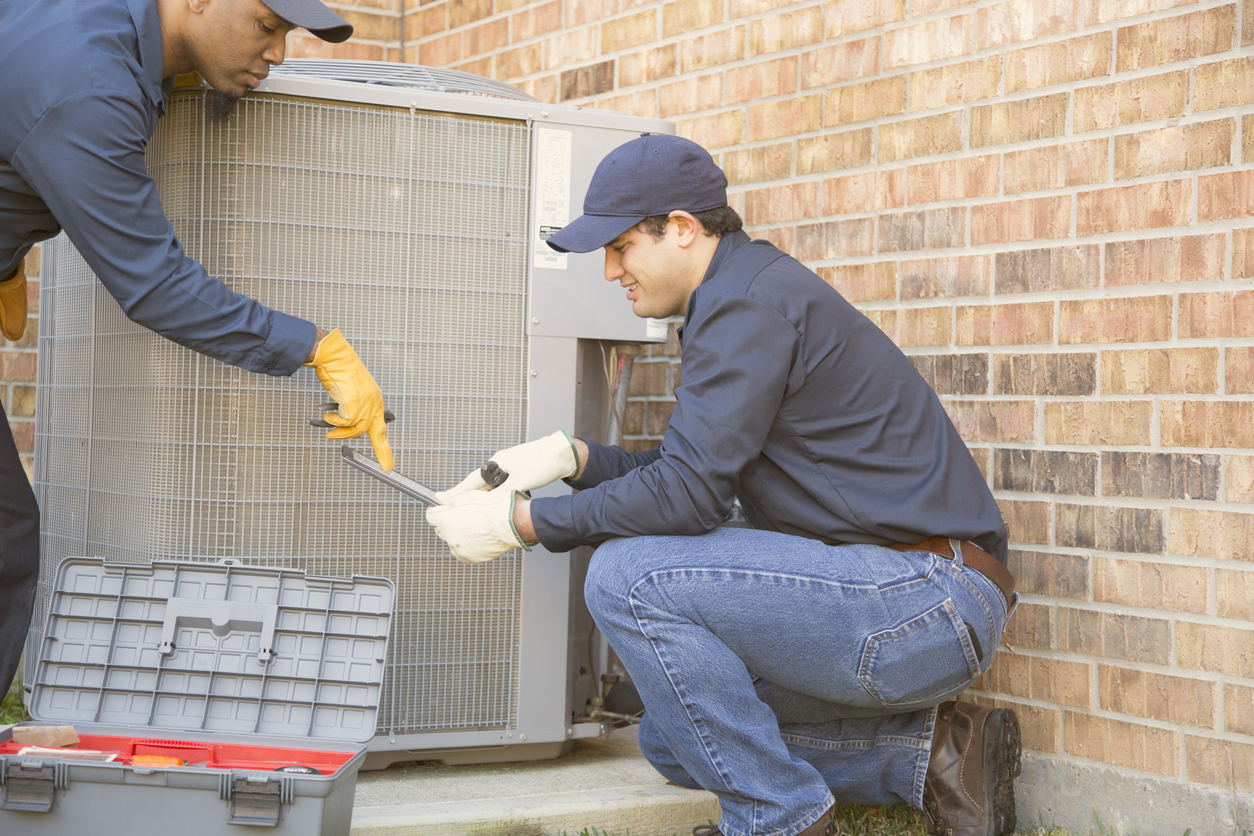
When do you actually need to consider a heat pump repair? Think of it this way: your home’s heat pump plays a vital role in keeping your space comfortable. It delivers effective heating and cooling throughout the year. Unfortunately, like any other appliance, your heat pump’s components will wear out over time, necessitating repairs to keep it performing optimally. You must have your heat pump repaired at the first signs of trouble to prevent severe damage to your heating and cooling system, or an unexpected breakdown in the middle of summer or winter when you need it most. How will you know when your Richmond heat pump needs repairs? To help you know when to schedule service, here’s a look at the most common signs that your heat pump needs repairs.
A clear sign that you need a heat pump repair is if you’ve noticed that the airflow from your vents is weak or uneven, and your system is not heating/cooling your home correctly. Various problems, including a clogged air filter, blocked ducts, or a failing blower motor, can cause weak airflow. If you’ve replaced your filter recently and you’re still experiencing airflow problems, you must schedule repairs as soon as possible.
Have you noticed that your energy bills have increased over the last few months for seemingly no reason? If so, a faulty heat pump may be to blame. While it is natural for your energy bill to go up when you’re using your heat pump frequently (such as in the middle of winter or summer), if your energy bills have been going up without a corresponding increase in heat pump usage compared to previous years, this can signal a problem with your heat pump. A failing component, such as a malfunctioning compressor, could be causing your system to work harder to heat/cool your home, reducing efficiency and driving up costs.
Whenever your heat pump is running, you must listen for any noises, as this can indicate that it needs repairs or maintenance. While your heat pump will make noise while running, it should be pretty quiet. If your heat pump is running much louder than usual or making any strange or unusual grinding, rattling, squealing, or buzzing sounds, you must schedule repairs as soon as possible. These sounds often indicate worn-out components or loose parts that could lead to more serious damage, including heat pump failure, if ignored.
When your heat pump is running, it is normal to turn on and off periodically to maintain a consistent temperature in your home. What’s not normal is if you’ve noticed that your heat pump is turning on and off (cycling) more frequently than usual, which is referred to as short cycling. Short cycling indicates an underlying issue causing your heat pump to run inefficiently. Common causes of short cycling include a faulty thermostat or an improperly sized heat pump. Regardless of the reason, you must have your heat pump serviced if it starts short-cycling, as this not only reduces energy efficiency but also puts unnecessary stress on your heat pump, which can lead to costly wear and tear.
Another clear sign that something is wrong and needs a heat pump repair is if it is not providing sufficient heating or cooling. If your heat pump is running but the air coming out is cold in the winter or hot in the summer, this is a clear red flag that your system isn’t functioning well. This can indicate a serious problem, such as a failing thermostat, a refrigerant problem, or a failing compressor, making it essential to have your system inspected and repaired as soon as possible.
While it’s normal for some frost to accumulate on your heat pump in between defrost cycles in the winter, excessive ice on the coils or outdoor unit, particularly during the summer, is a clear sign that something is wrong. If you notice excessive ice build-up on your heat pump, you must have it serviced.
Minor issues with your heat pump can quickly snowball, leading to costly repairs or even system failure if not repaired promptly. To ensure indoor comfort year-round, your heat pump must be serviced and repaired at the first signs of trouble.
If your heat pump isn’t working correctly or is showing signs of damage, consider contacting Capital City Comfort Solutions today. We offer fast and reliable heat pump repair services, and our experienced technicians will work tirelessly to diagnose your heat pump, recommend the best solution, and get your system back up and running as soon as possible.