
Key Takeaways:
Understanding HVAC air filter MERV ratings can help homeowners improve indoor air quality during allergy season while protecting their HVAC system. Choosing the right filter involves balancing filtration performance with proper airflow, ensuring your system captures common allergens without becoming overworked.
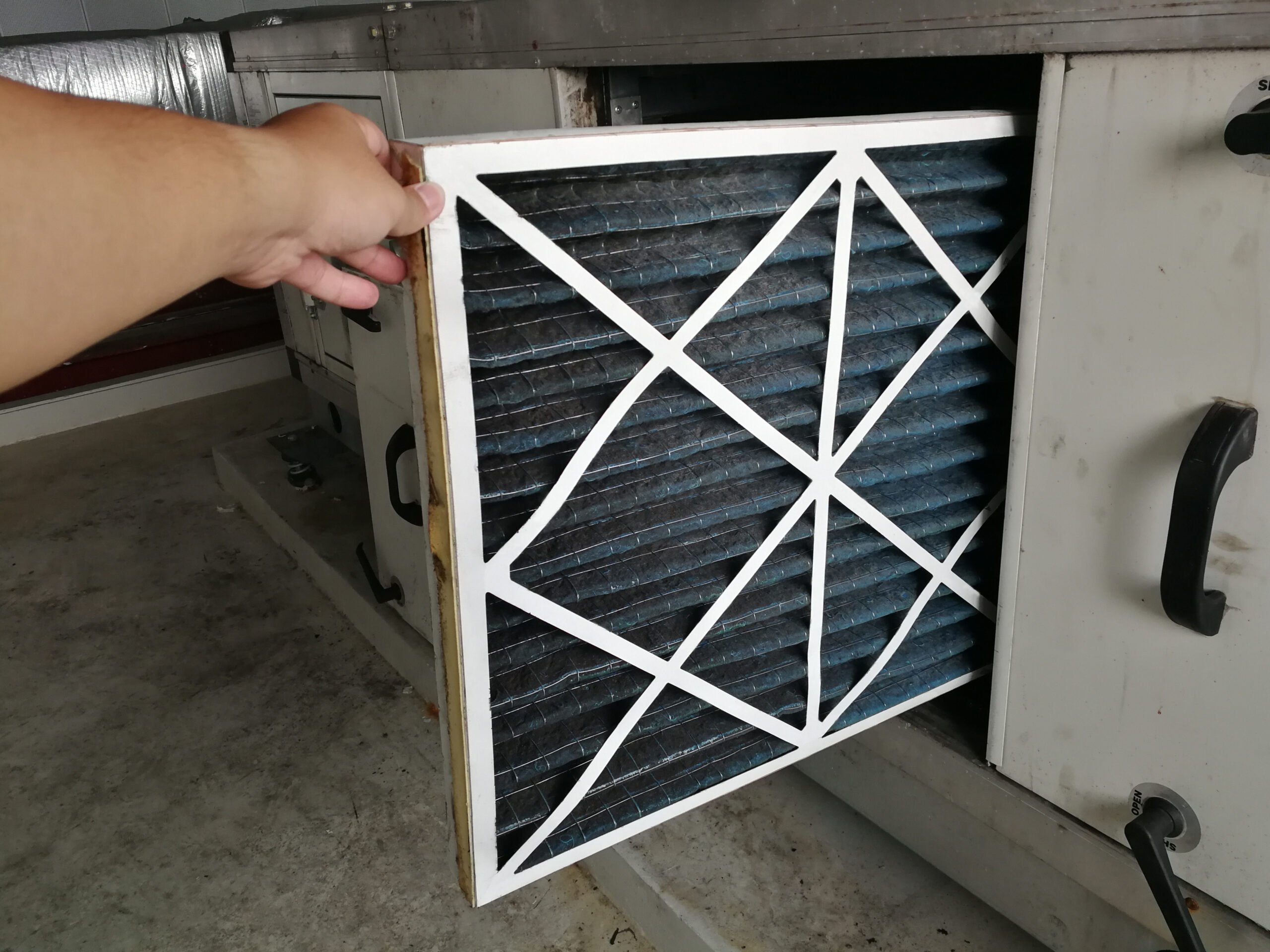
When allergy season arrives, many homeowners start searching for ways to improve their indoor air quality. One of the simplest and most effective steps is upgrading your climate control system’s air filter.
But if you’ve ever stood in the filter aisle at a home improvement store, you’ve probably noticed numbers labeled “MERV” on the packaging. Understanding HVAC air filter MERV ratings can help you choose a product that protects your health without overworking your system.
MERV stands for Minimum Efficiency Reporting Value, which measures how effectively an HVAC filter captures airborne particles. The scale typically ranges from 1 to 20, with higher numbers indicating better filtration of smaller particles.
Air filters with low MERV ratings capture only large particles, such as dust and lint. In contrast, higher-rated filters can trap smaller contaminants, such as bacteria and smoke.
Here’s a simplified breakdown of what the different ranges mean:
Learning about these ranges can help you balance filtration performance with system efficiency.
During spring and fall, pollen, dust, and mold spores become more common in the air. When these particles enter your home, they circulate through your HVAC system unless a filter captures them.
Higher HVAC air filter MERV ratings mean the filter can trap more of these allergens, helping reduce indoor triggers that worsen symptoms.
However, choosing the highest number available isn’t always the best approach. Filters with very high MERV ratings can restrict airflow if your HVAC system isn’t designed for them, potentially increasing energy use and straining the system.
The goal is to choose a filter that improves air quality while still allowing your system to operate efficiently.
For most households, experts recommend air filters in the MERV 8–13 range. These filters offer a strong balance between air quality improvement and proper airflow.
When comparing HVAC air filter MERV ratings, here is a quick guideline:
Filters in the MERV 11–13 range are especially effective at capturing pollen, mold spores, and other airborne allergens common during allergy season.
Before upgrading, it’s important to confirm that your air filter system can support higher HVAC air filter MERV ratings. Some systems are designed for specific airflow resistance levels, and installing an overly restrictive filter can reduce efficiency or even cause mechanical issues.
Your system’s manual or an HVAC professional can help determine the appropriate rating for your equipment.
Even the best filter won’t help much if it’s clogged. As filters capture dust and allergens, they gradually become less effective and can restrict airflow.
Many homeowners benefit from replacing standard filters every one to three months. However, homes with pets, heavy dust, or severe allergies may need more frequent changes.
Regular replacement keeps your system running efficiently while maintaining healthy indoor air quality.
Choosing the right HVAC filter is a small change that can make a noticeable difference in comfort and air quality. By understanding MERV ratings and selecting a filter that matches your home’s needs, you can reduce allergens while keeping your HVAC system operating smoothly.
If you’re unsure which filter is right for your system or want to improve your home’s indoor air quality, the professionals at Capital City Comfort Solutions can help. Contact us to schedule HVAC maintenance or speak with an expert about the best air filtration options for your home.